How to build a nonprofit chart of accounts that answers funders
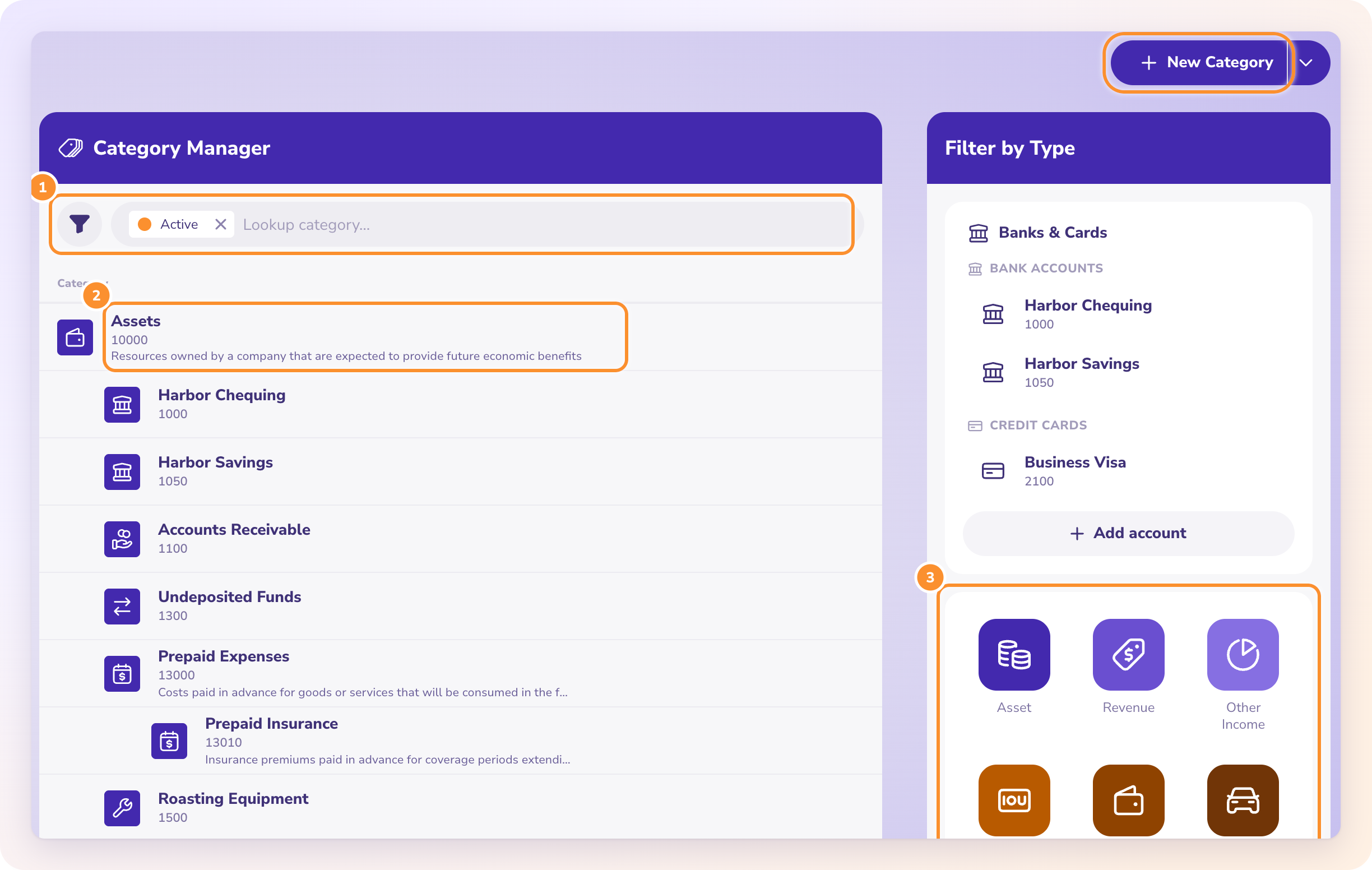
A nonprofit chart of accounts needs one income line for each restricted grant, net assets in two classes (with and without donor restrictions), and every expense split into program, management and general, and fundraising. Set it up that way once and the funder reports and Part IX of Form 990 come out of the ledger instead of a spreadsheet.
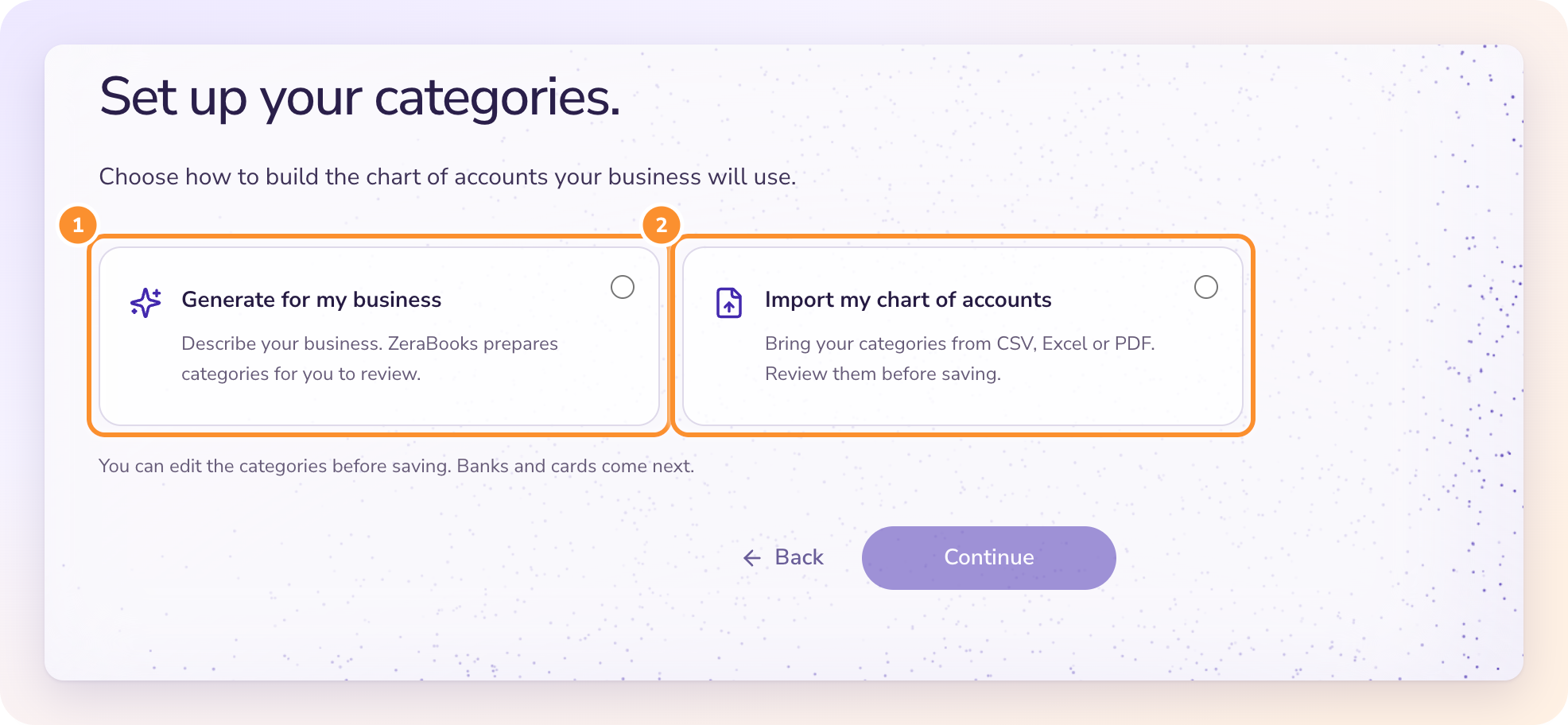
This is a build guide for a treasurer or bookkeeper with an afternoon and a blank list. The example is a fictional community garden that runs on two grants and local donations.
What should be on the desk before you start?
Three things. The most recent statement for every bank and card account. Every grant letter received this year. And last year's Form 990, if one was filed, because its numbers become your opening balances.
How do you set up the balance sheet side?
Step 1: One asset line per real account
Give each account its own line with the last four digits in the name, for example Operating checking 2209 and Reserve savings 2214. If the board has put money aside in savings, that money is still unrestricted. A board can designate funds. Only a donor can restrict them.
Step 2: Add Refundable advances
This liability holds grant money that arrives before a condition is met, such as a match the garden has to raise first. Under ASU 2018-08 that cash is owed back until the condition is cleared, so it stays here and moves to income later.
Step 3: Two net asset lines
Net assets without donor restrictions, and net assets with donor restrictions. Since ASU 2016-14, organizations reporting under U.S. GAAP show these two classes. Opening amounts for each come from last year's closing figures.
How should income and expenses be split?
Step 4: A child line for every restricted grant
Keep one line for gifts without restrictions. Then add a parent for restricted gifts, with one child per grant, named for the funder and year. A program officer only ever asks about her own foundation's money, so she should be able to see it on one line. Add an In-kind contributions line too. Donated goods never touch the bank, so they go in by journal entry.
Step 5: Three functions under each expense
Under salaries, rent, supplies, insurance and every other expense you use, add Program, Management and general, and Fundraising. Those match the three columns of Part IX. For shared costs you can't split as they happen, add a fourth child called To allocate, and empty it with one entry at month end.
| Line | Type | Where it ends up |
|---|---|---|
| Operating checking 2209 | Asset | Balance sheet |
| Refundable advances | Liability | Balance sheet, until the condition is met |
| Contributions › Raised beds grant 2026 | Income | Part VIII, and the funder's report |
| In-kind contributions | Income | Part VIII, by journal entry |
| Rent › Program | Expense | Part IX, program services column |
| Rent › To allocate | Expense (holding) | Back to zero after the month-end split |
Fictional organization and account numbers, for illustration.
Name each restricted grant after its funder and year. A line called Restricted donations answers nobody's question.
How do you know the chart works?
Step 6: Run one real month through it
Take last month's bank statement and code every line with the new chart. Then try to answer four questions without opening a receipt:
- What did the garden program cost this month?
- How much of the raised beds grant is still unspent?
- What did fundraising cost?
- How much of the cash in the bank is unrestricted?
Any question that needs a calculator and a guess means a line is missing. Add it now, while the chart has one month in it, and not twelve.
What will the chart not do on its own?
It won't hold donor history. Schedule B lists contributors of $5,000 or more, and that list comes from the donor database. The chart also can't fix an account that doesn't agree with its statement, so reconcile each month before anyone reads the program totals.
Key takeaways
- Give every restricted grant its own income line, named for the funder and the year.
- Split each expense into program, management and general, and fundraising to match Form 990 Part IX.
- Park shared salaries and rent in To allocate and clear it with one month-end entry.
- Test the chart on one real month before you rely on it.
FAQ
Do small nonprofits need fund accounting software?
Not always. An organization with a handful of grants can use sub-categories for restriction and function in a general ledger. One with many funders, federal awards or an audit requirement usually needs software that carries a fund on every transaction.
Is a board-designated reserve restricted?
No. Only a donor can restrict a gift. Money the board sets aside stays in net assets without donor restrictions, even when it sits in its own savings account.
Where do volunteer hours go?
Usually nowhere. Donated services are recorded only when they need specialized skills or create an asset, so a lawyer reviewing the lease counts and weekend volunteers don't.
A longer version of this chart, with a worked month for a fictional literacy nonprofit, is in the ZeraBooks guide to bookkeeping for nonprofits.
Disclosure: I'm the founder of ZeraBooks. ZeraBooks bookkeeping services keep nonprofit books this way, from $150 a month in U.S. dollars. The exact price is set on a free call, and you get a read-only login plus an upload portal. We don't file the 990 or track donors.


Comments
Post a Comment